CZ
CZ EN
EN
UPDATED (January 2026)
At Pixelmate, we have been developing custom applications since 2013. During that time, we have programmed hundreds of applications and met a wide variety of programmers. Today, we have decided to share some insights from our experience that we hope you will find useful.
What are the most common questions before programming an application?
At Pixelmate, we have been developing custom applications since 2013. During that time, we have programmed hundreds of applications and met a wide variety of programmers. Today, we have decided to share some insights from our experience that we hope you will find useful.
What are the most common questions before programming an application?
- Why is the application being created? What problem does it solve or what value does it bring? It is good to keep in mind that the application is being created in response to a specific problem that target users have been struggling with for a long time and which has not yet been solved effectively or in a user-friendly way. Current solutions are often too complex, fragmented across multiple tools, time-consuming, or do not meet the real needs of users.
- Who will use it? Laypeople, professionals, a specific company, the general public, etc. The question seems very simple, but it is often underestimated. When developing an application, it is necessary to think primarily about users and their needs, problems, and wishes. This will determine its future success and establishment.
- What platforms will it run on? Web, mobile (iOS/Android), desktop, or a combination. We most often use the MVP approach, i.e., gradual expansion, in this question. If the application is well written, it can be expanded to other platforms in the future. We often start with the development of a mobile application, and the web application is added only after the market directly demands it. The advantage is that financing comes from the application's sales, not from the initial investment.
- Which features are really necessary right from the start (MVP)? And what can come later? When designing the application architecture, it is good to think about phasing, the usefulness of individual features, and sophistication so that the project is as effective as possible at the start.
- What will the user experience (UX/UI) look like? How will users access the application, and how will they navigate the interface? We often encounter the logical desire of project founders to minimize project costs as much as possible. However, this is not always beneficial. Due to the rapid development of technology and the fact that people are accustomed to a certain standard in the use of applications, initial savings can become costly in the future. An example of this is our recent experience with a startup that had an application developed on the fly by a programmer friend for a few dollars. The project was perhaps more successful than expected, and that proved to be a problem. Support for the purchased template ended, and the number of users in the application caused the loading speed to drop sharply. This began to significantly affect the success of the application and user satisfaction. Unfortunately, this led to the need to fundamentally rebuild the entire project.
- Security and privacy: How to protect data, logins, and payments? This topic is also sometimes underestimated, but it is good to think about it. Our general rule is that the security of the application should also have a very robust foundation and should grow along with the number of users, i.e., the amount of sensitive data managed.
- Integration: Does the application need to connect to other systems or databases? When developing an application, it is essential that third-party connections are possible. Every newly developed project today must communicate via API and be ready for third-party integration. The approach where the backend was tightly coupled with the frontend is a thing of the past.
- Budget and time: How much money and time is available to avoid building a "palace in a field" without resources? At this stage, it is also good to think about how the project will make money and how expensive it will be to operate.
- Scalability: What if ten times more users than expected arrive? Can the system handle it?
- Maintenance and development: Who will manage it after launch, update it, and fix bugs? Can the partner also help with expansion? In our experience, it is not so much the development of the first version of the project that is key, but rather its subsequent development. A really good project should evolve. As part of project development, we work with users, evaluate data from the application, and help scale marketing.
Let's take a closer look at some of these questions below.
Programmer motivation
The motivation of the creator of an application is usually clear. They see a gap in the market, something that is missing. In short, they see a business opportunity. But what is the programmer's motivation? Can they understand the founder's intention and support it? Or is their intention to program well? In our experience, mutual understanding between founders and programming teams is key.
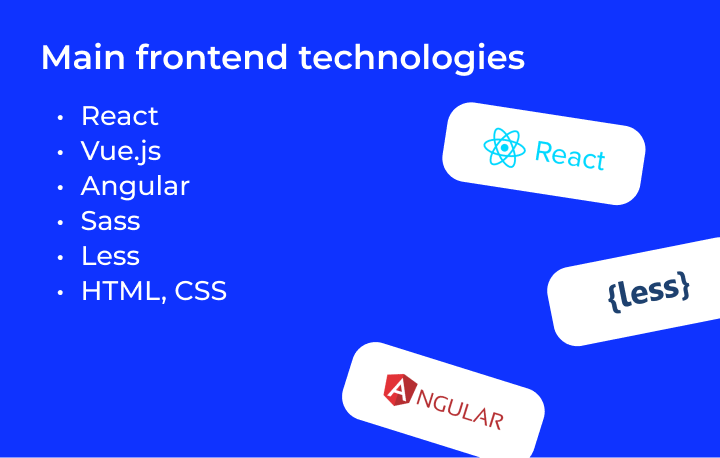
What is it programmed in and what is the quality like?
A common problem when programming applications is time pressure, cost pressure, and the absence of control mechanisms for programmers. Are you sure that the chosen programming language will still be on the market in 10 or 20 years? Will you be able to find developers for this programming language at a reasonable price? Is the source code programmed in a clear manner? Is the author of the source code the only one who understands it? These questions can have a fundamental impact on the future of the application.
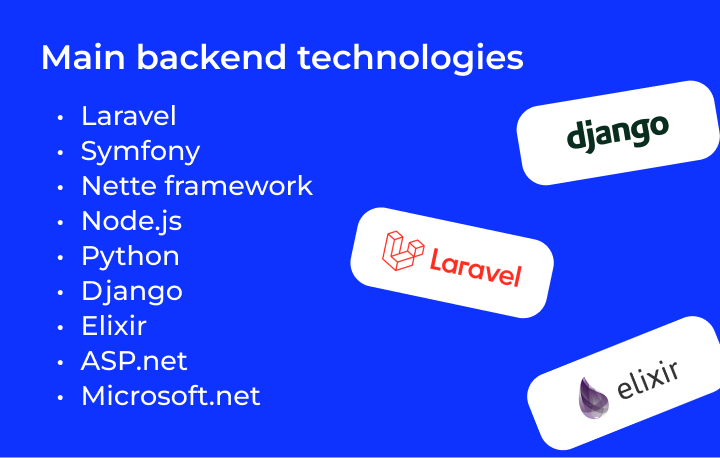
What if the business grows?
The greatest wish of project authors is usually the growth and success of a mobile or web application. Does the technical state of the project take such a scenario into account? Development is an integral part of a successful project. Is the application programmed accordingly? Will it fall apart at the first major intervention? And will it be possible to expand it freely? This should be the top priority when programming an application.
"We often encounter situations where a project is developed using unsuitable technologies right from the start. This may seem insignificant at the very beginning, but as the project grows, so do the demands on technology. No one wants to deal with speed issues, errors, framework limitations, or the inability to add new features to the system during expansion. That is why it is necessary to pay close attention to the choice of technologies at the start of a project."
Do you want to hire your own programmer or an agency?
The fundamental decision is whether to hire your own developer or entrust the programming of the application to a development studio. Generally, people are motivated to build an internal team because they want to save money. However, the opposite often turns out to be true. Finding quality developers and then managing the entire project is not an easy task, and help from a well-coordinated team of people can actually save money, especially in the beginning.
The situation is different if the founder or his partner knows how to program. In that case, putting together an internal team may make more sense.
"The role of an agency can be crucial, especially in the early stages of a startup, when it is not necessary to build your own internal team right away. This eliminates the need to hire people, deal with their expertise, work schedules, or coordination with other team members. Similarly, it is not necessary to immediately create separate departments of designers, testers, developers, or marketers—a quality agency can fulfill these roles effectively and flexibly. In the future, the startup can then gradually fill selected positions with its own people. As part of our collaboration, we can also help with the selection of quality internal team members if it makes sense for the further growth of the project."
MVP approach
Today, we recommend that nine out of ten projects take an MVP approach to application programming. This allows them to create a minimalist but viable, competitive project that they can launch on the market, gather feedback, and start selling.
At the beginning, founders tend to have big dreams. They want their project to be the best it can be. But the best doesn't necessarily mean the biggest. Focusing on core functionality is often the reason why users like an application. There is nothing better than an application that is understandable, simple, and user-friendly.
We discuss the MVP approach in more detail in our article.
Mobile or web application?
The choice between a mobile and web application is a crucial decision that has a direct impact on the success of the entire project. The choice of platform should be guided primarily by where the target users actually are and how they use the service, rather than by personal preference or the technological capabilities of a particular developer. For some types of projects, such as social networks, a mobile app is the natural choice, while other services will be used primarily via the web.
In general, the younger the target group, the greater the role played by mobile devices. In the case of mobile application development, it is also crucial to choose modern and promising technologies, as outdated or unsuitable solutions such as Xamarin, Ionic, or PWA are still appearing on the market, which can unnecessarily slow down the project.
Summary
Are you considering programming an application? Whether it's a mobile or web application, you should keep in mind the basic topics covered in this article. It can save you a lot of money and unpleasant experiences in the future.
Programming an application is only one part of starting your own project. In addition to that, there are many other things to think about and arrange. From marketing and legal aspects to planning the application's business model. When planning development, it is good not to get bogged down in the product alone, but to look at the entire project from a bird's eye view. Look through the eyes of your clients, take a broader view, and be as critical as possible.
Updated in January 2026 with a quote from Matyáš Mandík, Chief Technology Officer at Pixelmate.
Matyáš has more than 14 years of experience in application development and startups. As part of application development at Pixelmate, he was involved in the creation of successful startups such as Bikeflip, but he also manages the development of large platforms for companies such as ČSOB, Zonky, and Yves Rocher. LinkedIn